2026-03-12
Understanding Gurung Identity and Tamu Heritage
A short guide to Gurung/Tamu identity, language, and cultural continuity.
Read full post →People, place, and living tradition
The Gurung, who also identify as Tamu, are an Indigenous community with deep roots in the hills and mountain regions of Nepal. Their history, language, festivals, and service traditions remain an important part of Nepal's cultural landscape.
Origins & History
Community history is often described through migration, settlement, and oral memory. Many accounts connect Gurung ancestry to movements from the Himalayan north into the mid-hills of Nepal, where villages grew around farming, herding, and exchange routes.
Gurung settlements became closely tied to the landscapes of present-day Gandaki Province and nearby hill districts.
Older ways of life included agriculture, pastoral work, and seasonal movement suited to mountain terrain.
Historical memory is preserved not only through written records, but also through stories, rituals, and community teaching.
Geographical Distribution
Gurung (Tamu) populations are strongly associated with central hill and mountain districts, especially around Gandaki Province. Public references often highlight concentration in Kaski, Lamjung, Gorkha, Tanahun, and Syangja, while urban migration has expanded presence to Kathmandu Valley and beyond.
The strongest concentration is generally noted in central Nepal, particularly Gandaki-linked hill districts.
Historical settlement followed mountain terrain, agriculture, herding, and local trade routes.
Today, Gurung communities are also active in major cities and international diaspora networks.
Language & Culture
Gurung cultural life reflects both continuity and adaptation. The Gurung language, often called Tamu Kyi, remains a key marker of identity, while many families also use Nepali in daily life. Religious practice can include Buddhism, Hindu traditions, and older local beliefs.
Music, dance, dress, and oral storytelling are central ways culture is passed between generations.
Community gathering traditions such as rodhi are remembered as spaces for song, exchange, and social connection.
Traditional clothing, ornaments, and ceremonial customs still appear during festivals, family events, and public celebrations.
Festivals
Tamu Lhosar is widely recognized as the major festival associated with the Gurung community. It marks the new year in the Gurung calendar and is commonly celebrated with food, music, dance, visits, and community gatherings.
Festivals help renew family ties and reaffirm community identity across villages, towns, and diasporic communities.
Dance forms and performance traditions are often part of celebration, including styles remembered across western Nepal.
Ceremonial calendars may vary by place, household practice, and local tradition.
Notable Contributions
The Gurung people are widely known in Nepal and abroad for military service, especially through Gurkha history, but that is only part of a broader contribution. Gurung communities have also shaped agriculture, local trade, education, migration networks, and cultural representation.
Service in Gurkha regiments brought international visibility to many Gurung families and communities.
Village life, farming knowledge, and mountain adaptation remain important parts of Gurung social history.
Today, Gurung artists, professionals, educators, and community groups continue to preserve and reinterpret Tamu identity.
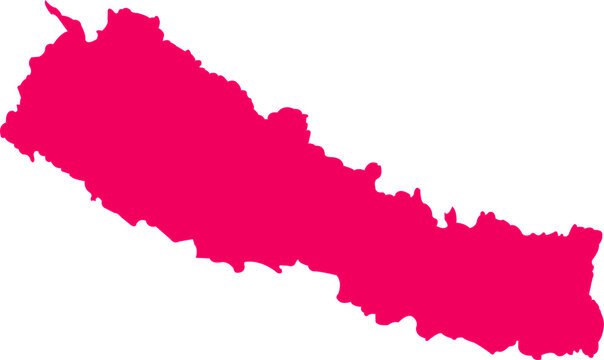
Nepal map (indicative)
This map is an indicative educational graphic. Darker red highlights commonly referenced concentration districts around central Nepal (Kaski, Lamjung, Gorkha, Tanahun, Syangja).
Respectful Disclaimer
This page is a short public-friendly overview based on a Wikipedia source baseline and paraphrased for clarity. Gurung / Tamu identity is living and diverse, so local histories, spellings, clan details, and religious practices may vary across families, regions, and community organizations.
Photo Gallery
Gurung Tamu Lhosar Celebration
Community celebration image referenced on the Gurung people Wikipedia page. Source: Wikimedia Commons via Wikipedia.
Tamu Lhosar Cultural Performance
Festival performance photo related to Gurung/Tamu cultural celebration. Source: Wikimedia Commons via Wikipedia.
Ghandruk Village Landscape
Ghandruk is a well-known Gurung settlement area in Nepal. Source: Wikimedia Commons via Wikipedia.
Nepal Mountain Community Scene
Historical mountain community image used in Gurung-related context on Wikipedia. Source: Wikimedia Commons via Wikipedia.
Latest Posts
2026-03-12
A short guide to Gurung/Tamu identity, language, and cultural continuity.
Read full post →2026-03-12
This is the first post. You can add new updates from the admin panel.
Read full post →2026-03-11
An overview of the districts and urban centers commonly associated with Gurung settlement.
Read full post →2026-03-10
Why Tamu Lhosar matters and how communities celebrate across Nepal and abroad.
Read full post →Famous Figures
Featured Figure of the Month
1922 · Bhatphedi, Nepal
Victoria Cross recipient for bravery in World War II.
1922 · Bhatphedi, Nepal
Victoria Cross recipient for bravery in World War II.
1917 · Tanahun, Nepal
Victoria Cross recipient; renowned for battlefield bravery in Burma campaign.
1921 · Nepal
Victoria Cross recipient in World War II.
1979 · Singapore (raised in Nepal)
International fashion designer based in New York.
1938 · Darjeeling
Composer and singer; one of the composers of Nepal’s national anthem.
1939 · Lamjung, Nepal
Geographer, anthropologist, planner, and public intellectual.
Contact
If you have suggestions, corrections, or community information, please send a message.